Erik Satie and the Gymnopédies: Why This Music Soothes
Erik Satie's Gymnopédies soothe through their slow tempo, floating harmony, silences and stripped-down melody. Here is why this music invites calm and how to listen.
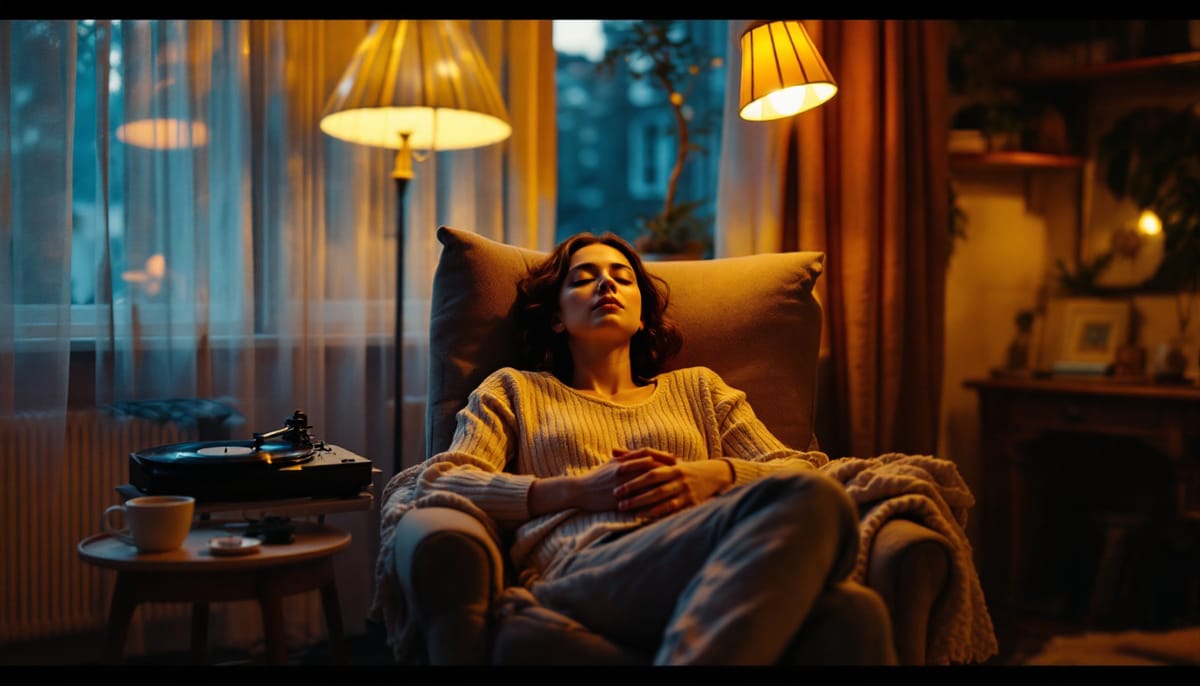
In short — Satie's Gymnopédies soothe because their slow tempo, floating harmony, silences and simple melody create a stable, predictable sound framework. This invites attention to settle without effort, offering a contrast to daily agitation.
There are pieces of music that seem to suspend time. Erik Satie's Gymnopédies belong to that rare category: from the very first notes, something in us slows down. Why does this century-old work continue to accompany our moments of relaxation? The answer lies both in the history of music, in the personality of its composer, and in compositional choices of a disarming simplicity. In this article, we explore the reasons why the Gymnopédies soothe, without mysticism or therapeutic promises, simply by observing what the music does to our attention.
Erik Satie, a composer apart
Born in Honfleur in 1866, Erik Satie is a unique case in French music. He attended the Paris Conservatoire without enjoying it, played piano in Montmartre cabarets, befriended Debussy, Ravel, and Picasso, and invented an aesthetic all his own. Satie loved strange titles, poetic performance directions ("from the tip of thought," "like a nightingale with a toothache"), and a form of spareness that foreshadows minimalist music.
He composed the three Gymnopédies in 1888, at just 22 years old. The word refers to Greek antiquity, to dances of naked youths at ritual festivals. But Satie was not seeking historical reconstruction: he creates an atmosphere, a color, a way of breathing. These short pieces, seemingly simple, are today among the most recorded in the world.
A musical writing that invites calm
Why do the Gymnopédies soothe? It can be explained by several concrete characteristics, audible even without musical training.
A slow and steady tempo
Satie's directions are explicit: Lent et douloureux for the first, Lent et triste for the second, Lent et grave for the third. This slow tempo, without excessive rubato, establishes a stable pulse. Our attention naturally falls in step with it, as one follows the gentle swaying of a boat.
A gentle and floating harmony
Satie uses seventh and ninth chords that create a suspended color, neither frankly joyful nor frankly sad. This harmonic ambiguity avoids brutal tensions: the ear is never jostled, it is invited to settle.
Silences that breathe
Between phrases, Satie allows for genuine breaths. These silences are not voids: they give the music an airy, almost meditative character. They leave the listener the space for their own thoughts.
A stripped-down melody
The right hand presents a simple line, often repetitive, while the left hand provides a steady bass. This economy of means avoids overload and allows attention to rest without effort.
Why this music accompanies relaxation so well
Listening to the Gymnopédies means accepting to slow down. The music does not tell a dramatic story, does not seek to impress. It offers a stable, predictable sound framework in which the mind can settle.
In a day saturated with notifications, demands, and fast rhythms, this stability is precious. It does not produce a magical effect: it simply offers a contrast. The contrast between the surrounding agitation and a work that takes its time. This is precisely what cultural sound relaxation seeks: to use the richness of musical and literary heritage to create moments of calm, without excessive promises.
The Gymnopédies have also inspired many artists, choreographers, and filmmakers. Their presence in films, advertisements, or art installations testifies to this ability to create a peaceful atmosphere, recognizable among all others.
How to listen to the Gymnopédies to relax
There is no single method, but a few guideposts can help make this listening a moment of comfort.
- Choose a calm moment: at the end of the day, after an intense activity, or upon waking.
- Prepare a simple space: an armchair, soft light, perhaps a warm drink.
- Listen without doing anything else: put down the phone, turn off notifications, let the music occupy the space.
- Breathe slowly: follow the natural tempo of the piece, without forcing.
- Repeat the listening: familiarity with the work strengthens the feeling of comfort and reference.
You can also alternate the three Gymnopédies, or integrate them into a longer sound relaxation session. The important thing is to respect your own rhythm, without any goal of performance.
Sonocrea, another way to explore sound relaxation
If you enjoy the atmosphere of the Gymnopédies, you may appreciate Sonocrea, a sound relaxation app that draws on literature, music, and philosophy. Sonocrea offers original scripts inspired by the world's wisdom traditions, crafted soundscapes, and listening journeys that invite calm. The approach is cultural, elegant, and concrete: no medical promises, no esoteric discourse, simply moments of relaxation guided by chosen texts and music.
Satie's Gymnopédies find a natural extension there: music that leaves room for silence, for breathing, and for attention. It is an invitation to slow down, to savor, to rediscover a more peaceful relationship with time.
Conclusion: a lesson in slowness
Erik Satie and his Gymnopédies remind us that soothing does not mean fleeing. Music resolves nothing, but it can accompany. It offers a framework, a color, a breath. Listening to these three short pieces, we rediscover a form of simplicity: a few notes, a slow tempo, silences. And sometimes, that is all we need to feel better.
To explore other sound worlds of relaxation, discover Sonocrea and its cultural sound relaxation journeys.
Precaution: do not listen while driving. In case of epilepsy or psychiatric disorders, consult a doctor.
Frequently asked questions
Why do Erik Satie's Gymnopédies feel so calming?
The Gymnopédies soothe through a slow and steady tempo, gentle seventh and ninth chords that avoid brutal tensions, meaningful silences between phrases, and a stripped-down melody. These choices create a stable, predictable framework that invites the mind to settle.
How can I listen to the Gymnopédies for relaxation?
Choose a calm moment, prepare a simple space with soft light, and listen without doing anything else. Put down your phone, breathe slowly following the music's tempo, and repeat the listening to strengthen familiarity and comfort.
What is the story behind Satie's Gymnopédies?
Erik Satie composed the three Gymnopédies in 1888 at age 22. The title refers to dances of naked youths in Greek antiquity, but Satie sought to create an atmosphere rather than reconstruct history. Today they are among the most recorded pieces in the world.
Read also
Découvrez Sonocrea
Créez vos propres séances de bien-être sonore avec notre IA. Fréquences binaurales, hypnose audio et sons ambiants personnalisés.
Essayer gratuitement →