Sound Relaxation: A Complete Guide to Deep Calm
Sound relaxation uses specific auditory atmospheres to guide the mind toward deep calm. This complete guide explores its foundations, benefits, and how to practice it effectively.
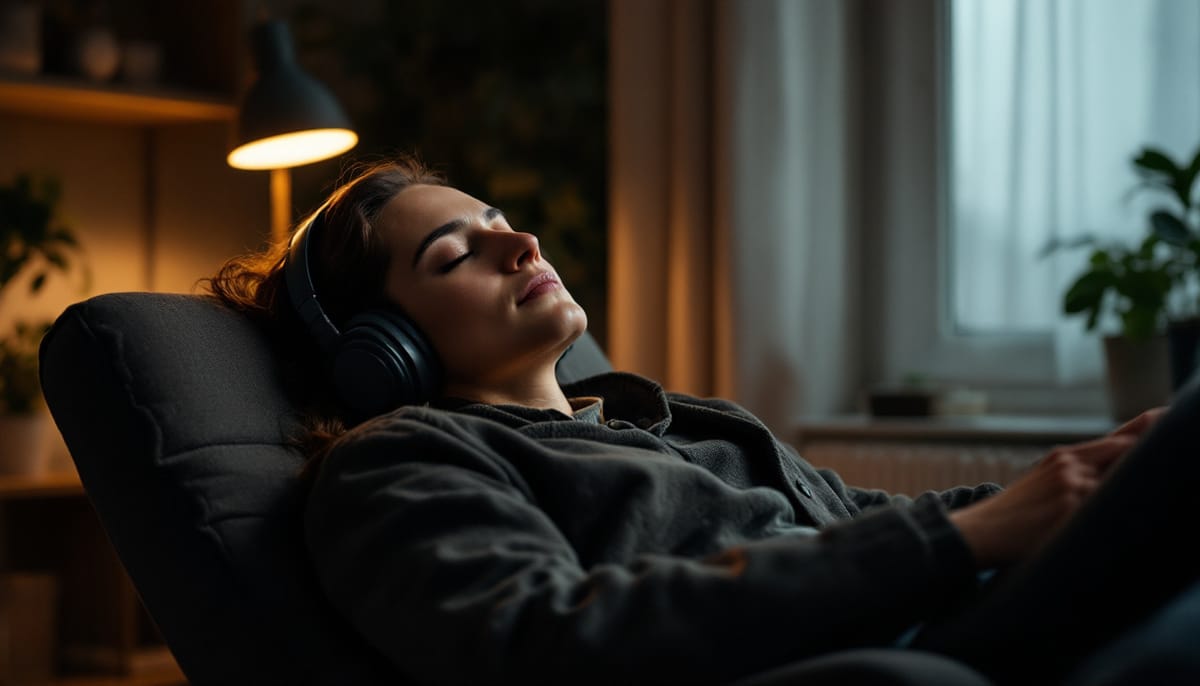
In short — Sound relaxation is a practice that uses specific auditory atmospheres, such as binaural frequencies and nature sounds, to guide the mind toward deep calm. It can help manage stress, support sleep, and encourage creativity. Sessions typically involve preparation, a structured progression, and various techniques like sound baths or guided journeys.
In our daily lives, often paced by stress and constant demands, finding moments of deep calm becomes essential. Sound relaxation is now establishing itself as a fascinating approach that combines the power of sound with techniques for guiding toward states of deep rest. This gentle and accessible practice allows you to reach deep relaxation, thereby promoting overall well-being.
Whether you are new to relaxation or an experienced practitioner looking for new experiences, this complete guide will accompany you in discovering sound relaxation. Together we will explore its foundations, its contributions, and the best ways to integrate it into your wellness routine.
What is sound relaxation? Definition and fundamental principles
Sound relaxation is a practice that uses specific auditory atmospheres to guide the mind toward a state of deep calm, often described as a gentle altered state of consciousness. Contrary to common beliefs, this state is nothing mysterious: it is simply a natural level of consciousness that we all experience daily, especially just before falling asleep.
The components of sound relaxation
This approach relies on several carefully orchestrated sound elements:
- Binaural frequencies: sounds played at slightly different frequencies in each ear, creating a third frequency perceived by the listener
- Sound layers: soft, enveloping musical textures that create an atmosphere conducive to relaxation
- Nature sounds: flowing water, wind in the leaves, gentle rain... These familiar sounds reassure and anchor the experience
- The guiding voice: sometimes present, it gently guides toward relaxation through benevolent suggestions
- Silences: essential spaces that allow the mind to integrate the experience
How it works
When we listen to sounds specifically designed for sound relaxation, our attention naturally settles into these sound landscapes. This gentle listening promotes the transition toward states of consciousness associated with deep relaxation, where the mind quiets and the body softens.
It is important to note that this practice in no way replaces professional medical or psychological care. It constitutes a complementary wellness tool accessible to everyone.
The contributions of sound relaxation for daily well-being
Regular practice of sound relaxation can positively support many aspects of our daily lives. Here are the main areas most often appreciated by practitioners.
Managing stress and tension
One of the most immediate contributions of sound relaxation concerns the reduction of perceived stress. By offering a true pause of rest and recovery, this practice provides a regenerative moment. Accumulated muscle tension can gradually release, while the mind finds a welcome space of calm.
A gentle evening ritual
Many people use sound relaxation as a bedtime ritual. Soothing sounds and relaxing frequencies naturally prepare the body for rest by:
- Inviting slower, deeper breathing
- Reducing excessive mental activity
- Creating a gentle transition between wakefulness and sleep
- Establishing a regular signal that the body learns to recognize
Support for concentration and creativity
Paradoxically, deep relaxation can also stimulate our cognitive abilities. By freeing the mind from superficial concerns, sound relaxation can encourage the emergence of new ideas and improve our ability to concentrate during tasks that follow the session.
Connection to self and personal development
The states of calm induced by sound relaxation can facilitate benevolent introspection. This pause allows us to step back from our emotions, thought patterns, and deep aspirations, thereby contributing to an enriching personal journey.
How to practice sound relaxation effectively
To fully enjoy the benefits of sound relaxation, a few conditions and practical tips are worth following. Here is a step-by-step guide for successful sessions.
Preparing your environment
The quality of your experience largely depends on the setting you create:
- Choose a quiet place where you will not be disturbed for the entire duration of the session
- Opt for dim light or darkness to encourage inward focus
- Ensure a comfortable temperature: the body cools slightly during relaxation
- Wear loose clothing that does not constrict your body
- Turn off your notifications to avoid any interruption
Choosing your audio equipment
Sound quality plays a crucial role in the enjoyment of sound relaxation. For sessions using binaural frequencies, a quality audio headset is essential so that each ear properly receives the sound intended for it. In-ear earphones can work, but circumaural headphones generally offer better immersion.
Recommended positions
Two positions are particularly suitable for practice:
- Lying on your back: ideal for complete relaxation, with arms along the body and legs slightly apart
- Sitting comfortably: recommended if you want to stay awake and aware, with your back supported
How a typical session unfolds
A sound relaxation session generally follows this progression:
- Induction (5-10 minutes): gentle sounds that gradually invite release
- Deepening (10-15 minutes): frequencies and sound textures guide toward a deeper state of relaxation
- Central phase (15-20 minutes): a moment of deep relaxation where the mind can wander freely
- Return (5-10 minutes): gentle transition back to the ordinary waking state
Dedicated apps such as Sonocrea offer perfectly structured sound relaxation sessions, making practice easier for beginners and regular users alike.
The different techniques and approaches of sound relaxation
Sound relaxation encompasses various methods that can be used alone or combined according to your preferences and goals.
Immersive sound baths
This approach uses acoustic instruments such as Tibetan bowls, gongs, chimes, or tuning forks. The vibrations produced literally envelop the body and create a deep sensory experience. In a group or individual session with a practitioner, the sound bath is a beautiful introduction to sound relaxation.
Guided sound journeys
Here, a voice accompanies the experience by offering visualizations and suggestions over relaxing music. This approach is particularly suitable for people who enjoy being guided and who wish to work on specific intentions.
Frequency-based sound relaxation
This more modern technique relies on precise electronic compositions incorporating binaural, isochronic frequencies, or monaural beats. It allows for a highly personalized approach depending on the desired state: relaxation, creativity, deep meditation...
Relaxing ASMR
Although different in its approach, ASMR (Autonomous Sensory Meridian Response) shares with sound relaxation this ability to induce states of deep calm through auditory stimulations. Some people are particularly receptive to these delicate sounds and integrate them into their relaxation practice.
Tips to deepen your practice and progress
Like any wellness discipline, sound relaxation is tamed over time and with regularity. Here are a few recommendations to gradually enrich your experience.
Regularity rather than intensity
It is better to practice 15 to 20 minutes daily rather than one long occasional session. This regularity allows you to create a familiar ritual and to settle more easily into the desired states of relaxation.
Keeping a practice journal
Writing down your experiences after each session can prove valuable:
- The physical sensations experienced
- The emotions that emerged
- The quality of your relaxation
- Any meaningful images or thoughts
This journal will help you identify the approaches that suit you best and track your progress.
Varying your experiences
Do not hesitate to explore different types of sounds and approaches. With an app like Sonocrea, you can easily discover various sound atmospheres and find the ones that resonate most with your personal sensitivity.
Combining with other practices
Sound relaxation blends harmoniously with other wellness approaches:
- Conscious breathing: synchronize your breath with the sound rhythms
- Mindfulness meditation: use sounds as an attentional anchor
- Yoga nidra: integrate sound relaxation into your deep relaxation practice
- Gentle stretching: relax your body before the session for better receptivity
Conclusion: integrating sound relaxation into your daily life
Sound relaxation represents an accessible and pleasant gateway to deep calm and well-being. Without requiring any particular skills or expensive equipment, it offers everyone the possibility of creating spaces of calm and regeneration in an often overly busy daily life.
Whether you are looking to better welcome your stress, soften your evenings, or simply give yourself moments of inner peace, this practice can become a precious ally for your balance. The essential thing is to approach it with curiosity and kindness toward yourself, without excessive expectations or judgment.
Ready to discover the power of sound for your well-being? Explore the possibilities of sound relaxation right now and give yourself the gift of a regenerative pause. Your mind and body will thank you.
Discover Sonocrea and begin your journey toward deep relaxation →
Sonocrea is a relaxation and comfort tool, not a medical device: it does not replace medical advice or care. Do not listen while driving or during any activity that requires alertness. If you have epilepsy or a psychiatric condition, ask a doctor first.
Frequently asked questions
What is sound relaxation?
Sound relaxation is a practice that uses specific auditory atmospheres to guide the mind toward a state of deep calm. It combines elements like binaural frequencies, sound layers, nature sounds, and sometimes a guiding voice to promote relaxation.
How do I practice sound relaxation effectively?
To practice effectively, prepare a quiet, dimly lit space, wear loose clothing, and use quality headphones. Choose a comfortable position, either lying on your back or sitting supported, and follow a structured session with induction, deepening, central phase, and return.
What are the benefits of sound relaxation?
Regular sound relaxation can help manage stress and tension, support a gentle evening ritual for better sleep, and paradoxically stimulate concentration and creativity. It also facilitates connection to self and personal development through benevolent introspection.
Read also
Découvrez Sonocrea
Créez vos propres séances de bien-être sonore avec notre IA. Fréquences binaurales, hypnose audio et sons ambiants personnalisés.
Essayer gratuitement →