Tibetan Bells: Complete Guide to Sound Meditation
Tibetan bells, or tingshas, are sacred instruments used in Himalayan monasteries. This guide covers their history, types, playing techniques and benefits for meditation and relaxation.
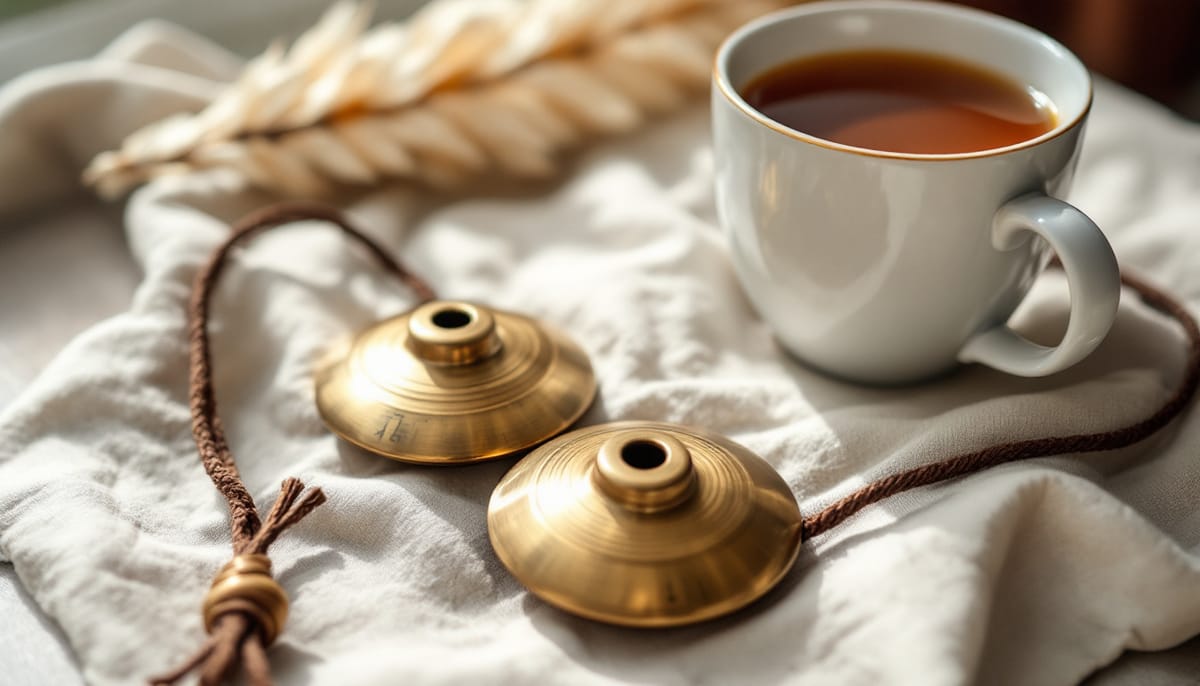
In short — Tibetan bells, or tingshas, are small cymbals used in Himalayan Buddhist traditions to mark meditation sessions and purify space. They produce a pure, crystalline sound that can enhance concentration and relaxation. This guide explains their history, types, playing techniques and benefits for well-being.
Tibetan bells, also known as tingshas or Tibetan cymbals, have resonated for centuries in Himalayan monasteries. These small instruments with their crystalline sound fascinate through their sonic purity and their ability to instantly create an atmosphere conducive to contemplation. Whether you are a beginner in meditation or an experienced practitioner, Tibetan bells can transform your daily practice into a deep sensory experience.
In this complete guide, we will explore together the history of these instruments, their various uses, and concrete techniques for integrating them into your meditation and relaxation sessions.
Origin and history of Tibetan bells
Tibetan bells have their roots in the Vajrayana Buddhist tradition, practiced mainly in Tibet, Nepal, and certain regions of India. Their history dates back several millennia, well before the arrival of Buddhism in these mountainous regions.
An ancestral spiritual heritage
Originally, these instruments were used by monks during religious ceremonies and daily rituals. The pure and penetrating sound of tingshas served several essential functions:
- Marking the beginning and end of collective meditation sessions
- Accompanying offerings and prayers
- Facilitating concentration and the return to the present moment
Traditional craftsmanship
Authentic Tibetan bells are made according to artisanal methods passed down from generation to generation. Traditionally composed of an alloy of seven metals (gold, silver, mercury, copper, iron, tin, and lead), each metal symbolically corresponding to a celestial body. Today, most quality tingshas are made of bronze, an alloy of copper and tin that produces this characteristic sound so appreciated.
The different types of Tibetan bells
Before choosing your Tibetan bells, it is important to understand the different variants available on the market. Each type has its own sound characteristics and preferred uses.
Traditional tingshas
These are the classic cymbals, connected by a leather strap. Their diameter generally varies between 6 and 9 centimeters. The larger the tingshas, the deeper and more prolonged the sound. Smaller models produce a high-pitched, crystalline sound, ideal for quickly capturing attention.
Drilbu bells
Different from tingshas, Drilbu bells are hand bells used together with the dorje (ritual scepter). They produce a more melodious sound and are traditionally associated with feminine wisdom in Buddhist symbolism.
Quality criteria to consider
- Purity of sound: a clear sound, without parasitic vibrations, that extends harmoniously
- Thickness of the metal: thicker cymbals generally produce a richer sound
- Finish: regular edges and smooth surface for optimal resonance
- Tuning: both cymbals must be perfectly tuned to each other
Techniques for using them in meditation
Mastering the art of playing Tibetan bells requires a little practice, but the basics are accessible to everyone. Here are the main techniques for integrating these instruments into your meditative practice.
The traditional strike
Hold each cymbal by its strap, between thumb and index finger, letting the instrument hang freely. Bring the two tingshas toward each other while holding them parallel, then gently strike their edges. The secret lies in the lightness of the gesture: too strong a strike will produce an unpleasant metallic sound, while a gentle contact will release all the harmonic richness of the instrument.
The circular technique
For a more prolonged and enveloping sound, slide the edge of one cymbal against the other in a circular motion. This technique creates a continuous vibration that can accompany a visualization or conscious breathing.
Integration into a meditation session
Here is a simple structure for using your Tibetan bells:
- Opening: Three spaced strikes to signal the beginning of the practice and invite inner silence
- During the session: An occasional strike to bring attention back when the mind wanders
- Closing: Three strikes to mark the end and facilitate the gradual return to ordinary waking state
To enrich your daily practice, you can also explore the resources of the Sonocrea app, which offers a variety of relaxing and meditative sounds, including tones inspired by contemplative traditions.
Benefits of Tibetan bells for well-being
The regular use of Tibetan bells in a context of relaxation or meditation can help improve your quality of life in several ways.
Promoting concentration
The clear and distinct sound of tingshas acts as a sonic anchor. It offers the mind a precise focal point, particularly useful for those beginning meditation who find it difficult to calm the incessant flow of thoughts. Each strike becomes an invitation to return to the present moment.
Creating a conscious transition
In our daily lives paced by screens and constant demands, Tibetan bells can serve as a transition ritual. Sounding your tingshas before beginning an important activity, such as creative work or rest, helps to mentally delineate spaces and fully enter each moment.
Accompanying bodily relaxation
The vibrations produced by Tibetan bells are perceived not only by the ear but by the entire body. Some practitioners report a sensation of soothing that accompanies the instrument's resonance, particularly when the sound is produced near the body during lying-down relaxation sessions.
Harmonizing the atmosphere of a place
Beyond individual practice, Tibetan bells are traditionally used to mark the start of meditation or ritual in Buddhist settings. Whether or not you follow this symbolic dimension, the simple act of ringing a clear and pleasant sound in a room can help create an atmosphere conducive to relaxation and rest.
Practical tips for getting started
If you wish to integrate Tibetan bells into your wellness routine, here are some recommendations to start well.
Choosing the right moment
Prioritize moments when you will not be disturbed. Morning upon waking or evening before bed are particularly favorable slots. Regularity is more important than duration: five minutes daily is better than an occasional hour.
Preparing your space
- Choose a calm and comfortable place
- Turn off your electronic devices or put them in silent mode
- Adopt a stable posture, seated or lying down
- Take a few deep breaths before starting
Combining with other practices
Tibetan bells pair perfectly with other forms of sound relaxation. You can combine them with conscious breathing sessions, yoga nidra, or guided visualization. The Sonocrea app also offers numerous soundscapes that can complement your practice with tingshas.
Maintaining your instruments
To preserve the sound quality of your Tibetan bells, wipe them regularly with a soft cloth to avoid the accumulation of fingerprints. Store them in a protective pouch to avoid shocks that could alter their resonance.
Conclusion
Tibetan bells represent much more than a simple instrument: they are a gateway to an authentic meditative practice, rooted in centuries of contemplative wisdom. Their crystalline sound possesses that rare quality of being able to instantly transform the atmosphere of a place and the state of mind of the one who listens.
Whether you seek to deepen your meditation practice, create transition rituals in your daily life, or simply discover new relaxation tools, tingshas can become precious companions on your journey toward greater serenity.
Ready to explore the world of sound relaxation? Discover Sonocrea and access a complete library of soothing sounds to enrich your moments of relaxation. Visit sonocrea.com and begin your sound journey toward well-being today.
Frequently asked questions
What are Tibetan bells used for?
Tibetan bells, or tingshas, are traditionally used in Buddhist ceremonies to mark the beginning and end of meditation and to accompany prayers. Today they are also used in relaxation practices to create a calm atmosphere and aid concentration.
How do you play Tibetan bells correctly?
Hold each cymbal by its strap between thumb and index finger, letting it hang freely. Bring them together parallel and gently strike their edges. The key is lightness: a gentle contact releases harmonic richness, while a strong strike produces an unpleasant metallic sound.
What are the benefits of Tibetan bells for meditation?
In Buddhist practice, Tibetan bells are traditionally used to mark the start of a meditation session. Their steady tone can serve as a sound to return attention to, help mark a clear transition between activities, and accompany quiet sitting or rest. Many people find the sound pleasant and use it to set a calm tone in a room.
Read also
Découvrez Sonocrea
Créez vos propres séances de bien-être sonore avec notre IA. Fréquences binaurales, hypnose audio et sons ambiants personnalisés.
Essayer gratuitement →